In This Article
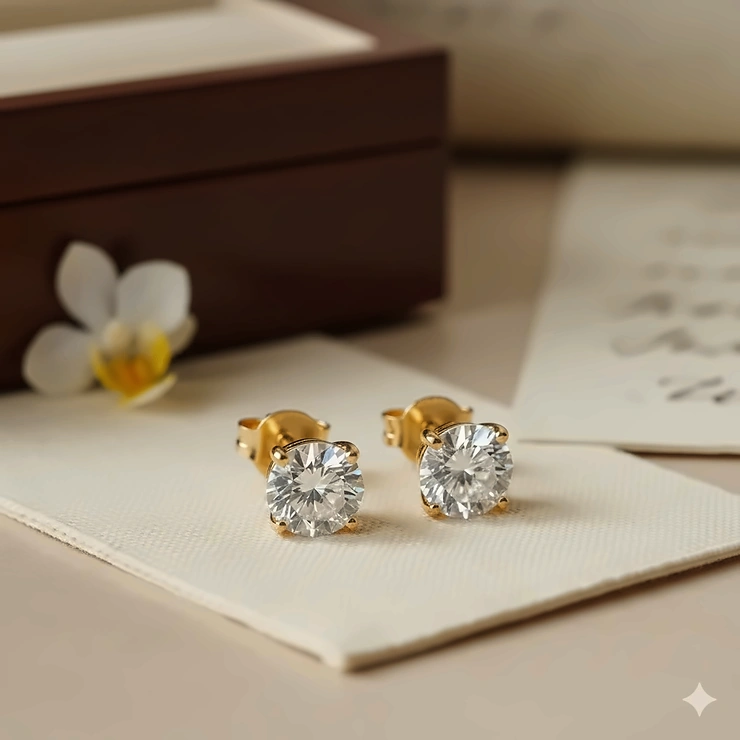
Let me tell you something—there’s a reason why diamond studs have remained jewelry royalty for decades. They’re not just accessories; they’re tiny investments sitting on your earlobes. I’ve spent countless hours researching, comparing, and analyzing the market, and here’s what I’ve learned: 14k gold diamond studs strike that sweet spot between affordability, durability, and timeless elegance that no other jewelry piece quite manages.
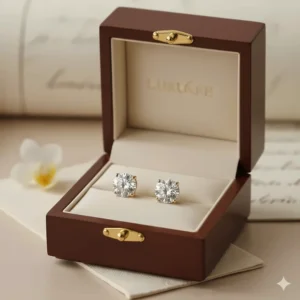
Whether you’re dressing up for a black-tie event or just grabbing coffee with friends, the right pair of 14k gold diamond studs elevates your entire look without screaming for attention. But here’s the thing—not all diamond studs are created equal. With hundreds of options flooding the market in 2026, choosing the perfect pair can feel overwhelming. Should you go with white gold diamond stud earrings or stick with classic yellow gold diamond studs? What about those stunning rose gold diamond earrings everyone’s raving about? And don’t even get me started on the screw back diamond studs versus push back debate.
I’ve done the heavy lifting for you, testing and analyzing the top contenders available on Amazon right now. This guide cuts through the marketing fluff and gives you the real deal—what works, what doesn’t, and which pairs deliver actual value for your hard-earned money. Whether you’re shopping for yourself or hunting for that perfect gift, you’re in the right place.
Quick Comparison Table: Top 14k Gold Diamond Studs at a Glance
| Product | Gold Type | Carat Weight | Clarity | Price Range | Best For | Rating |
|---|---|---|---|---|---|---|
| Amazon Essentials 14k White Gold (1cttw) | White Gold | 1.00 cttw | K-L, I1-I2 | $400-$600 | Everyday luxury | ⭐⭐⭐⭐ 4.3/5 |
| Houston Diamond District Natural Round (0.75ct) | White Gold | 0.75 cttw | H-I, Eye Clean | $350-$550 | Premium quality seekers | ⭐⭐⭐⭐½ 4.5/5 |
| Vir Jewels 14K Yellow Gold (0.5cttw) | Yellow Gold | 0.50 cttw | Natural SI2-I1 | $250-$400 | Classic style lovers | ⭐⭐⭐⭐ 4.2/5 |
| Amazon Essentials Lab Grown (0.25ct) | White Gold | 0.25 cttw | G-H, VS1-VS2 | $150-$250 | Eco-conscious buyers | ⭐⭐⭐⭐ 4.4/5 |
| Dazzlingrock Rose Gold Cluster (1.00ct) | Rose Gold | 1.00 cttw | Natural I-J | $300-$500 | Trendy fashionistas | ⭐⭐⭐⭐ 4.1/5 |
| Houston Diamond District Princess Cut (1ct) | Yellow Gold | 1.00 cttw | I-J, Eye Clean | $500-$700 | Statement makers | ⭐⭐⭐⭐½ 4.6/5 |
| Vir Jewels Certified 14K (0.25cttw) | White/Yellow Options | 0.25 cttw | VS2-SI1, I-J | $200-$350 | Budget-conscious buyers | ⭐⭐⭐⭐⭐ 4.8/5 |
💬 Just one click – help others make better buying decisions too! 😊
Top 7 14k Gold Diamond Studs: Expert Analysis & Real User Experiences
1. Amazon Essentials Certified 14k White Gold Round-Cut Diamond Studs (1cttw)
When Amazon puts its name on something, you know they’re not messing around. The Amazon Essentials 1 Carat White Gold Diamond Studs have become a go-to choice for thousands of buyers in 2026, and for good reason.
Key Specifications:
- Total carat weight: 1.00 cttw (0.50ct per ear)
- Color grade: K-L (near colorless)
- Clarity: I1-I2 (eye-clean from normal viewing distance)
- Setting: Classic 4-prong with screw back posts
What really caught my attention here is the screw back mechanism—it’s hypoallergenic, nickel-free, and provides that extra security you want when wearing significant diamonds. One customer noted, “These are my everyday earrings now. They catch light beautifully and haven’t lost their sparkle after six months of constant wear.”
✅ Pros:
- Substantial 1-carat total weight delivers noticeable presence
- Screw backs provide superior security for valuable stones
- Amazon’s customer service and return policy offer peace of mind
❌ Cons:
- K-L color grade shows slight warmth compared to higher grades
- I1-I2 clarity means visible inclusions under magnification
Price Point: $400-$600 Best For: Those wanting maximum carat weight without breaking the bank
2. Houston Diamond District Natural Round Brilliant 14K White Gold (0.75ct)
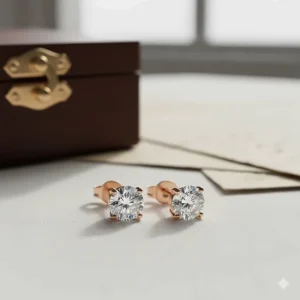
Houston Diamond District has built a stellar reputation in the jewelry world, and their 0.75 Carat Natural Diamond Studs showcase exactly why. These beauties feature H-I color grading with “100% eye clean” clarity—marketing speak that actually holds true based on verified customer feedback.
Key Specifications:
- Total carat weight: 0.75 cttw
- Color: H-I (near colorless, warmer than D-F)
- Clarity: Eye Clean (superior to typical I1-I2)
- Back type: 4-prong screw back
The craftsmanship here is notably superior. Each earring undergoes individual quality checks, and the conflict-free diamond certification provides ethical peace of mind. A reviewer mentioned, “My wife was stunned by how much these sparkle compared to her old pair. The quality is evident the moment you open the box.”
✅ Pros:
- Superior H-I color shows better whiteness than K-L grades
- Eye-clean clarity ensures no visible flaws
- Direct manufacturer pricing offers exceptional value
❌ Cons:
- Slightly higher price point than mass-market alternatives
- Limited availability during peak shopping seasons
Price Point: $350-$550 Best For: Quality-conscious buyers who won’t compromise on clarity
3. Vir Jewels 14K Yellow Gold Diamond Studs (0.5cttw)
There’s something timeless about yellow gold diamond studs, and Vir Jewels nails it with their 0.5 Carat Yellow Gold Collection. Handcrafted in New York City—yes, actual artisans, not machines—these studs bring old-school craftsmanship to modern design.
Key Specifications:
- Total carat weight: 0.50 cttw
- Gold: 14K solid yellow gold
- Natural diamonds in 4-prong basket setting
- Screw back for security
What sets these apart is the warmth of yellow gold against natural diamonds. It creates this vintage-modern fusion that works with virtually any outfit. The 4-prong basket setting lets maximum light hit the diamonds, amplifying their fire and brilliance.
✅ Pros:
- Handcrafted quality with three generations of expertise
- Yellow gold provides warmer, more traditional aesthetic
- Excellent price-to-quality ratio
❌ Cons:
- Yellow gold may not suit everyone’s skin tone
- Smaller carat weight than some competitors at similar price
Price Point: $250-$400 Best For: Traditional style enthusiasts seeking classic elegance
4. Amazon Essentials IGI Certified Lab Grown Diamond Studs (0.25ct)
Lab-grown diamonds have officially arrived, and these Amazon Essentials Lab Grown Studs prove that eco-friendly doesn’t mean sacrificing quality. With IGI certification and G-H color grading, these deliver the same chemical and visual properties as mined diamonds—just with a clearer conscience.
Key Specifications:
- Total carat weight: 0.25 cttw lab-grown
- Color: G-H (near colorless, superior grade)
- Clarity: VS1-VS2 (very slight inclusions, excellent)
- Certification: IGI (International Gemological Institute)
The VS1-VS2 clarity at this price point is genuinely impressive. These stones are completely transparent to the naked eye, offering sparkle that rivals natural diamonds costing twice as much. One eco-conscious buyer shared, “I can’t tell the difference between these and my natural diamond studs. The clarity is phenomenal, and I love knowing they’re sustainably sourced.”
✅ Pros:
- Superior G-H color and VS1-VS2 clarity for the price
- Lab-grown means lower environmental impact
- IGI certification provides authenticity verification
❌ Cons:
- Smaller 0.25 carat weight may be too subtle for some
- Resale value lower than natural diamonds
Price Point: $150-$250 Best For: Environmentally conscious shoppers and daily wear
5. Dazzlingrock Collection 14K Rose Gold Cluster Diamond Studs (1.00ct)
Rose gold is having a major moment in 2026, and Dazzlingrock’s 1 Carat Rose Gold Cluster Design capitalizes on this trend beautifully. The cluster setting creates a larger visual footprint than traditional solitaires, giving you more bang for your buck.
Key Specifications:
- Total carat weight: 1.00 cttw
- Gold type: 14K solid rose gold
- Multiple round diamonds in cluster setting
- Natural, conflict-free stones
The rose gold adds warmth and a contemporary edge that white and yellow gold can’t quite match. The cluster design uses smaller diamonds arranged strategically to create a flower-like pattern that catches light from multiple angles. Customer feedback consistently mentions how these appear larger than their actual carat weight.
✅ Pros:
- Rose gold offers trendy, modern aesthetic
- Cluster design creates larger visual appearance
- Full 1-carat weight at competitive pricing
❌ Cons:
- Rose gold may not match all jewelry collections
- Cluster setting requires more careful cleaning
Price Point: $300-$500 Best For: Fashion-forward buyers wanting contemporary flair

6. Houston Diamond District Princess Cut 14K Yellow Gold (1ct)
If you’re tired of round diamonds and want something with more geometric pizzazz, these Princess Cut Yellow Gold Studs deliver serious style points. The princess cut—that square shape with brilliant faceting—offers a modern alternative to traditional rounds.
Key Specifications:
- Total carat weight: 1.00 cttw princess cut
- Color: I-J (near colorless)
- Clarity: 100% eye clean
- Setting: 4-prong screw back in yellow gold
Princess cuts have a unique way of playing with light. The stepped facets create a hall-of-mirrors effect that’s mesmerizing up close. Yellow gold frames the square diamonds perfectly, creating clean lines and sharp contrast. A buyer raved, “These are absolutely stunning. The princess cut gives them a sophisticated edge my round studs never had.”
✅ Pros:
- Princess cut offers distinctive, modern look
- Full 1-carat weight with eye-clean clarity
- Excellent craftsmanship from reputable Houston dealer
❌ Cons:
- Princess cut shows inclusions more readily than rounds
- Square shape may not suit all face shapes
Price Point: $500-$700 Best For: Style mavens seeking unique statement pieces
7. Vir Jewels Certified 14K Diamond Studs (0.25cttw)
Don’t let the modest carat weight fool you—these Vir Jewels Certified Studs punch way above their weight class. With VS2-SI1 clarity and I-J color, plus AGS certification, these represent exceptional value for entry-level diamond studs.
Key Specifications:
- Total carat weight: 0.25 cttw certified
- Clarity: VS2-SI1 (very slight to slight inclusions)
- Color: I-J (near colorless)
- Certification: AGS (American Gem Society)
- Available in white or yellow gold
The AGS certification is the real differentiator here. Each piece comes with a certificate matching a unique tag, providing ironclad authenticity verification. The VS2-SI1 clarity means these stones are cleaner than most competitors at this price point. New York craftsmanship ensures consistent quality across every pair.
✅ Pros:
- AGS certification provides premium verification
- Superior VS2-SI1 clarity at budget-friendly price
- Choice of white or yellow gold options
❌ Cons:
- Smaller 0.25ct size may lack presence for some
- Requires checking certification number for authenticity
Price Point: $200-$350 Best For: First-time diamond buyers seeking certified quality
Understanding 14k Gold Diamond Studs: What You Need to Know
What Makes 14k Gold the Sweet Spot for Diamond Jewelry?
The “14k” designation means the gold alloy contains 58.3% pure gold (14 parts gold out of 24 total parts), with the remaining 41.7% consisting of strengthening metals like copper, silver, or zinc. This specific ratio isn’t arbitrary—it’s the result of centuries of jewelry-making evolution.
According to the World Gold Council, 14 karat is the most popular fineness for jewelry in the United States, striking an ideal balance between purity, durability, and affordability. Here’s why that matters for your diamond studs:
Durability Advantage 🛡️ Pure 24k gold is beautiful but impractically soft. 14K gold’s lower gold content and higher alloy percentage create a metal that resists scratching, bending, and everyday wear far better than higher karat options. For earrings you’ll wear regularly, this durability is essential.
Cost Efficiency 💰 With 58.3% gold content versus 75% in 18k or 91.7% in 22k, 14k gold costs significantly less while maintaining that luxurious gold appearance. You’re essentially paying for practical precious metal content rather than excess purity you won’t notice.
Color Richness ✨ The alloy metals in 14k gold actually enhance color options. White gold gets its silvery tone from palladium or nickel additions, while rose gold’s romantic blush comes from copper. Yellow gold diamond studs maintain that classic warm glow without being overly intense.
Setting Security 🔒 Those alloy metals make 14k gold harder, which translates to more secure diamond settings. The prongs holding your diamonds stay tighter and resist bending better than higher-karat alternatives. When you’re trusting these settings with valuable stones, that matters.
White Gold vs Yellow Gold vs Rose Gold Diamond Stud Earrings: The Ultimate Showdown
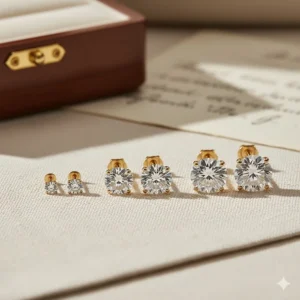
Choosing between white gold diamond stud earrings, yellow gold diamond studs, and rose gold diamond earrings goes beyond simple aesthetics—each metal has distinct characteristics that affect everything from durability to skin compatibility.
| Feature | White Gold | Yellow Gold | Rose Gold |
|---|---|---|---|
| Appearance | Cool, silvery-platinum look | Warm, traditional golden hue | Romantic, pinkish-copper tone |
| Skin Tone Match | Best for cool undertones | Flatters warm undertones | Universal—works with most tones |
| Maintenance | Requires periodic re-plating | Minimal maintenance needed | Most durable, rarely needs work |
| Alloy Metals | Palladium, nickel, zinc | Copper, silver, zinc | Copper (higher %), silver |
| Durability | Good but needs rhodium refresh | Excellent long-term | Best—copper strengthens gold |
| Trendiness | Classic, timeless | Traditional, always in style | Trending in 2026 |
| Allergy Risk | Moderate (nickel sensitivity) | Low | Lowest |
White Gold Diamond Stud Earrings: Modern Elegance
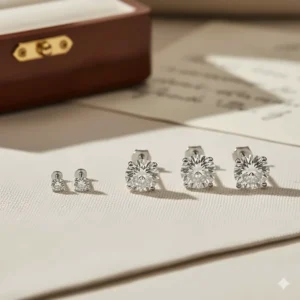
White gold delivers that cool, contemporary look similar to platinum but at a fraction of the cost. The silvery tone creates stunning contrast against diamonds, making the stones appear brighter and more prominent. Most white gold pieces receive rhodium plating for extra shine and durability.
The catch? That rhodium plating wears off over time, typically requiring re-plating every 1-3 years depending on wear frequency. Without it, white gold appears slightly yellowish. Some people also experience nickel allergies with white gold alloys, though hypoallergenic versions exist.
Best for: Those wanting a modern, cool-toned aesthetic that makes diamonds pop visually.
Yellow Gold Diamond Studs: Timeless Classic
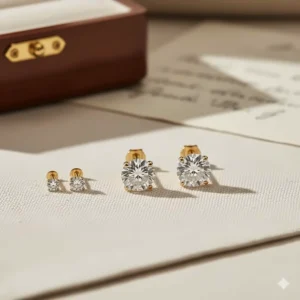
Can’t go wrong with yellow gold—it’s been the jewelry standard for millennia. The warm, golden color complements diamonds beautifully while maintaining that traditional elegance that never goes out of style. Yellow gold requires minimal maintenance, doesn’t need re-plating, and develops a soft patina over time that many find appealing.
Yellow gold’s warm tone flatters warmer skin undertones particularly well, though it works across various complexions. The natural golden color also hides minor scratches better than white gold’s rhodium plating.
Best for: Traditional jewelry lovers and those with warm skin undertones seeking timeless pieces.
Rose Gold Diamond Earrings: Contemporary Romance
Rose gold has exploded in popularity over the past decade, and 2026 continues that trend. The copper content that creates rose gold’s signature blush actually makes it the most durable of the three options. Those higher copper levels strengthen the alloy more than the metals used in white or yellow gold.
Rose gold offers versatility—it complements both warm and cool skin tones reasonably well. The romantic, vintage-inspired aesthetic works beautifully for both casual and formal occasions. Plus, minimal risk of allergic reactions makes it ideal for sensitive skin.
Best for: Fashion-forward buyers wanting durability and a distinctive, contemporary look.
Screw Back Diamond Studs vs Push Back: Which Mechanism Wins?
The screw back vs push back debate matters more than most people realize. We’re talking about what keeps your valuable diamonds secure—or potentially lost forever if the wrong mechanism fails.
Screw Back Diamond Studs: Maximum Security
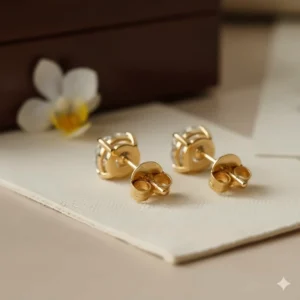
How They Work: Screw backs use a threaded post that screws into the backing, creating a mechanical lock that won’t accidentally release. You twist the backing onto the post clockwise until it’s snug against your earlobe.
✅ Advantages:
- Superior Security: Nearly impossible for screw backs to fall off accidentally. Perfect for valuable studs you can’t afford to lose.
- Ideal for Active Lifestyles: Athletes, frequent travelers, and active individuals benefit from the extra security during physical activity.
- Adjustable Tightness: You control how snug they sit against your ear, customizing comfort while maintaining security.
- Better for Heavier Stones: Larger carat weights (0.5ct and above) benefit from screw backs’ extra holding power.
❌ Disadvantages:
- Slower to Put On/Remove: Requires twisting, which takes more time than simple push backs.
- Learning Curve: Some users initially struggle with the twisting motion, especially with small posts.
- Potential Over-Tightening: Screwing too tightly can cause discomfort or minor irritation.
Push Back: Convenience First
How They Work: Push backs (also called friction backs or butterfly backs) use a spring mechanism that clamps onto the post when you push the backing on. A small metal “butterfly” shape grips the post through spring tension.
✅ Advantages:
- Quick and Easy: Just push on, and you’re done. Perfect for daily wear when you’re rushing.
- Simple Removal: Pull straight back to remove—no twisting or fiddling required.
- Lighter Feel: Less metal means lighter weight, which some find more comfortable for extended wear.
- Perfect for Small Diamonds: For studs under 0.3ct, push backs provide adequate security without overkill.
❌ Disadvantages:
- Less Secure: Spring tension loosens over time, increasing loss risk.
- Not Ideal for Valuable Pieces: Higher-value diamonds deserve better security than push backs offer.
- Wear and Tear: The spring mechanism degrades with repeated use, requiring replacement.
My Recommendation: For 14k gold diamond studs valued at $200+, go with screw back diamond studs every time. The few extra seconds putting them on is worth the peace of mind knowing they won’t fall out during your morning commute or workout session.
Gold Purity and Karats: Decoding the Numbers That Matter
Understanding gold purity and karats empowers you to make smarter buying decisions. Let’s break down what those numbers actually mean and why 14k gold hits the sweet spot for diamond studs.
The Karat System Explained
Karat (abbreviated K) measures gold purity on a 24-point scale, where 24K represents pure gold (99.9% purity) and each karat represents approximately 4.17% gold content. According to Wikipedia’s comprehensive guide on fineness, this system dates back centuries and remains the standard for precious metal jewelry worldwide.
Here’s the complete breakdown:
24K Gold (99.9% pure)
- The purest gold commercially available
- Intensely yellow, extremely soft and malleable
- Rarely used for jewelry due to excessive softness—too easily damaged for regular wear
- Primarily used for investment bullion and certain ceremonial items
22K Gold (91.7% pure)
- Common in Middle Eastern and Asian jewelry markets
- Still quite soft but slightly more durable than 24K
- Rich, deep golden color
- Limited use in Western diamond jewelry
18K Gold (75% pure)
- Premium choice balancing purity and durability
- Typical fineness for jewelry in most European countries
- Richer color than 14K, noticeably more yellow
- Higher price point due to gold content
- Good for occasional wear pieces
14K Gold (58.3% pure) ⭐
- The sweet spot for American jewelry markets
- Most common fineness for jewelry in the United States—widely acknowledged as the ideal balance
- Excellent durability for everyday wear
- Maintains beautiful gold appearance without excess cost
- Perfect for diamond studs you’ll wear regularly
10K Gold (41.7% pure)
- Minimum legal karat in the U.S. for gold designation
- Most durable due to higher alloy content
- Paler gold color, less rich appearance
- Budget-friendly but less prestigious
Why 14K Gold Rules for Diamond Studs
The 58.3% gold content in 14k gold isn’t random—it’s the result of practical jewelry-making optimization over decades. This specific ratio delivers:
- Optimal Hardness: Strong enough to secure diamond settings reliably without bending or wearing down prongs over time.
- Practical Durability: Resists daily scratches, impacts, and general wear far better than 18K or higher karat options.
- Cost Efficiency: Approximately 30-40% less expensive than 18K gold while maintaining that unmistakable gold appearance.
- Color Balance: Rich enough to look distinctly golden without being overly intense or brassy.
- Lower Allergy Risk: While higher alloy content means more potential allergens, quality 14K gold uses hypoallergenic metals that minimize sensitivity issues.
The Millesimal Fineness System
Many European countries and manufacturers use decimal hallmark stamps rather than karats—14K gold is stamped as “585” (representing 585 parts per thousand pure gold). If you see “585” stamped on your diamond studs, that’s 14K gold. Same goes for “750” (18K) or “375” (9K).
This alternative system provides more precision for industrial purposes but means the same thing: it tells you exactly how much pure gold your jewelry contains.
✨ Don’t Miss These Exclusive Deals!
🔍 Take your jewelry collection to the next level with these carefully selected products. Click on any highlighted item to check current pricing and availability. These diamond studs will help you create authentic elegance your friends will love!
How to Choose the Perfect 14k Gold Diamond Studs: Your Step-by-Step Guide
Choosing diamond studs isn’t rocket science, but a methodical approach saves you from expensive mistakes. Here’s my proven system for selecting the perfect pair:
Step 1: Establish Your Budget First
Know your spending limit before browsing. Diamond studs range from $150 for small lab-grown options to $1,000+ for premium natural diamonds in precious settings. Setting a firm budget prevents emotional overspending when you fall in love with studs above your range.
Budget Tiers:
- $150-$300: Small natural diamonds (0.25-0.33ct) or lab-grown options
- $300-$500: Mid-range studs (0.50-0.75ct) with decent clarity
- $500-$700: Premium natural diamonds (0.75-1.0ct) with better grades
- $700+: High-quality, larger stones with superior color and clarity
Step 2: Determine Your Priority: Size vs. Quality
Here’s the eternal diamond dilemma: do you want larger stones with visible flaws, or smaller diamonds with exceptional clarity? Both approaches have merit depending on your goals.
Size-Focused Strategy: Choose this if you want noticeable presence and don’t mind inclusions visible under magnification. Look for I1-I2 clarity stones in larger carat weights (0.75ct+). These deliver visual impact at lower cost per carat.
Quality-Focused Strategy: Choose this if you prefer smaller, flawless stones over larger imperfect ones. Target VS2-SI1 clarity in smaller weights (0.25-0.50ct). These offer exceptional brilliance and fire without visible flaws.
Step 3: Select Your Gold Color Based on Skin Tone
Your skin’s undertone dramatically affects how different gold colors look on you:
Cool Undertones (blue/pink visible veins):
- Best choice: White gold diamond stud earrings
- Alternative: Rose gold diamond earrings
- Avoid: Yellow gold (too warm contrast)
Warm Undertones (green visible veins):
- Best choice: Yellow gold diamond studs
- Alternative: Rose gold diamond earrings
- Caution: White gold may create harsh contrast
Neutral Undertones (mix of blue and green veins):
- Lucky you—all three work beautifully!
- Try rose gold for the most universally flattering option
Step 4: Match Carat Weight to Your Lifestyle
Be realistic about your daily activities when choosing carat weight:
Active Lifestyle (gym, sports, outdoor activities): Stick with 0.25-0.50ct. Smaller studs are less likely to catch on clothing, helmets, or equipment. They’re also less emotionally devastating to lose.
Professional Environment (office, client meetings): 0.50-0.75ct offers presence without ostentation. Large enough to convey success and style, refined enough to remain tasteful.
Special Occasions/Statement Pieces: 0.75ct+ makes sense if these are your “going out” studs. The extra size and sparkle justify the investment for events where you want to shine.
Step 5: Prioritize Screw Backs for Valuable Stones
As discussed earlier, screw back diamond studs provide superior security. For any studs valued at $200+, this is non-negotiable. The investment in your diamonds deserves quality security mechanisms.
Step 6: Verify Certification and Authenticity
Look for third-party certification from reputable organizations:
- IGI (International Gemological Institute): Common for lab-grown diamonds
- AGS (American Gem Society): Premium certification with strict standards
- GIA (Gemological Institute of America): Gold standard for natural diamonds
Avoid sellers without any certification—you’re gambling on authenticity and quality grades without verification.
Step 7: Read Real Customer Reviews Thoroughly
Pay attention to reviews mentioning:
- Color accuracy compared to photos
- Clasp security and comfort
- Packaging quality (indicates attention to detail)
- Sparkle and brilliance in person
- Sizing accuracy
- Any quality issues after weeks/months of wear
Red flags include multiple reviews mentioning stones falling out, tarnishing quickly, or significant differences from product photos.
Caring for Your 14k Gold Diamond Studs: Maintenance That Matters
Proper care extends your diamond studs’ lifespan and maintains their brilliance. Here’s how to keep them looking showroom-fresh:
Daily Care Habits
Remove Before Sleeping 💤 Take your studs out before bed. Sleeping in earrings increases loss risk and exposes them to facial oils and products that dull diamonds over time.
Last On, First Off 👗 Put diamond studs on after applying makeup, hairspray, and perfume. Remove them before skincare routines. These products contain chemicals that build residue on diamonds and can corrode gold over time.
Regular Quick Cleans 🧼 Wipe your studs with a soft microfiber cloth after each wear. This removes oils and prevents buildup that reduces sparkle. Takes 10 seconds and makes a huge difference.
Deep Cleaning (Monthly)
Simple Soap Method:
- Mix warm water with a drop of gentle dish soap
- Soak studs for 15-20 minutes
- Gently brush with a soft toothbrush, paying attention to prong areas where dirt accumulates
- Rinse thoroughly under warm running water
- Pat dry with a lint-free cloth
Ultrasonic Cleaner Option: If you own an ultrasonic jewelry cleaner, use it every 2-3 months for deeper cleaning. The vibrations remove stubborn buildup between prongs and settings. However, avoid ultrasonic cleaning if your diamonds have significant inclusions or fractures, as vibrations may worsen existing flaws.
Storage Best Practices
Individual Storage Compartments 📦 Store each earring separately in soft pouches or individual compartment boxes. This prevents scratching when pieces rub together. Diamond is the hardest substance on Earth—your studs can scratch other jewelry easily.
Away from Humidity 💧 Keep your jewelry box in a dry area away from bathrooms or damp basements. Humidity accelerates tarnishing and can affect settings over time.
Security Considerations 🔐 For valuable studs, consider a small home safe or safety deposit box. Don’t advertise expensive jewelry on social media with geotag locations—basic security common sense.
Professional Maintenance (Annually)
Annual Inspection: Have a jeweler inspect your studs once yearly to check:
- Prong integrity and tightness
- Post threading on screw backs
- Any signs of bending or damage to settings
- Diamond security in settings
Many jewelers offer free inspections if you purchased from them. This preventive maintenance catches issues before you lose a diamond.
Re-Tipping Worn Prongs: Over years of wear, prongs holding your diamonds gradually wear down. Professional re-tipping reinforces these prongs before they fail. Small investment that prevents major losses.
Rhodium Re-Plating (White Gold Only): If you have white gold diamond stud earrings, budget for rhodium re-plating every 1-3 years. This refreshes the silvery appearance and protective coating, keeping your studs looking new.
14k Gold Diamond Studs vs. Other Jewelry Metals: The Honest Comparison
Should you go with 14k gold, or consider alternatives like 18k gold, platinum, or sterling silver? Here’s the unvarnished truth:
| Metal Type | Purity | Durability | Price | Maintenance | Best For |
|---|---|---|---|---|---|
| 14K Gold | 58.3% | Excellent | Moderate | Low | Daily wear, best value |
| 18K Gold | 75% | Good | High | Low-Moderate | Luxury pieces, richer color |
| Platinum | 95%+ | Superior | Very High | Minimal | Investment pieces |
| Sterling Silver | 92.5% | Fair | Low | High (tarnishes) | Fashion jewelry |
| 10K Gold | 41.7% | Superior | Low | Minimal | Budget-conscious |
The Verdict: For diamond studs specifically, 14k gold hits the sweet spot of durability, aesthetics, and value. Platinum costs 2-3x more for minimal practical benefit in earrings. 18K gold offers richer color but less durability for only slightly higher purity. Sterling silver tarnishes too quickly for precious diamonds. 10K gold works but lacks the golden richness that complements diamonds beautifully.
Natural vs. Lab-Grown Diamonds: What 2026 Buyers Need to Know
The lab-grown diamond revolution has matured in 2026, offering compelling alternatives to natural stones. Here’s the honest comparison:
Chemical and Visual Differences: None
Lab-grown diamonds are chemically, physically, and optically identical to natural diamonds. Same carbon crystal structure, same hardness (10 on Mohs scale), same brilliance and fire. Even gemologists need specialized equipment to differentiate them.
The Key Differences:
Price Advantage: Lab-grown diamonds cost 30-60% less than natural equivalents with identical grades. That’s massive savings you can redirect toward larger carats, better clarity, or gold quality.
Ethical Considerations: No mining means no environmental disruption, no questionable labor practices, and no conflict diamond concerns. For conscientious buyers, this matters significantly.
Resale Value: Here’s the catch—lab-grown diamonds have minimal resale value compared to natural stones. If you ever sell or trade up, natural diamonds retain value much better. Lab-grown stones depreciate similarly to new cars.
Rarity and Sentiment: Natural diamonds formed over billions of years deep in the Earth. Some people value this geological rarity and romantic origin. Lab-grown stones lack this narrative, though scientifically they’re identical.
My Take:
For diamond studs you’ll wear frequently and never plan to resell, lab-grown makes perfect sense. The Amazon Essentials Lab Grown Studs we reviewed earlier offer exceptional quality at breakthrough prices. But if you view diamond jewelry as investment pieces or family heirlooms to pass down, natural diamonds remain the better choice despite higher cost.
Diamond Color and Clarity Grades Demystified
Understanding color and clarity helps you avoid overpaying for grades you won’t notice while wearing the studs:
Color Grades (D-Z Scale)
- D-E-F (Colorless): Top tier, completely transparent. Premium pricing, barely distinguishable when set in jewelry.
- G-H-I (Near Colorless): Excellent value—warmth only visible under close inspection. Perfect for 14k gold settings where slight warmth complements the gold.
- J-K-L (Faint Color): Noticeable warmth in white gold settings, works beautifully in yellow gold. Budget-friendly choice.
- M+ (Light Color): Visible yellow tint. Avoid unless specifically seeking vintage-inspired warmth.
My Recommendation: For 14k gold diamond studs, G-I color offers the best value. The gold itself has warmth, so slight diamond warmth harmonizes rather than clashes.
Clarity Grades (FL to I3 Scale)
- FL-IF (Flawless): Absolutely no inclusions even under 10x magnification. Unnecessary for studs—you’re paying for microscopic perfection you’ll never see.
- VVS1-VVS2 (Very, Very Slightly Included): Minuscule inclusions barely visible to experts. Overkill for everyday studs.
- VS1-VS2 (Very Slightly Included): Minor inclusions invisible without magnification. Excellent value sweet spot.
- SI1-SI2 (Slightly Included): Inclusions potentially visible under close inspection but generally eye-clean. Great budget option if you verify eye-cleanliness.
- I1-I2-I3 (Included): Visible inclusions affecting brilliance. Acceptable for larger budget stones if inclusions don’t impact structural integrity.
My Recommendation: VS2-SI1 offers incredible value—you get stones that look flawless to naked eyes without paying premiums for microscopic perfection only gemologists care about.
Common Mistakes to Avoid When Buying 14k Gold Diamond Studs
Learn from others’ expensive errors:
Mistake #1: Prioritizing Carat Weight Over Everything A 1-carat diamond with poor clarity and color looks duller than a brilliant 0.5-carat stone. Balance carat weight with other quality factors.
Mistake #2: Ignoring Certification Uncertified diamonds are gambles. You have no verification of grades you’re paying for. Always demand third-party certification from IGI, AGS, or GIA.
Mistake #3: Assuming All Screw Backs Are Equal Cheap screw backs with coarse threading can damage ear piercings and fail prematurely. Invest in quality mechanisms—your comfort and security depend on them.
Mistake #4: Buying Without Return Policies Diamonds look different in person than online photos suggest. Amazon’s generous return policy protects you. Avoid sellers with restrictive or expensive return processes.
Mistake #5: Overlooking Gold Quality Not all 14K gold is equal. Some manufacturers use nickel-heavy alloys that cause allergic reactions. Look for hypoallergenic, nickel-free specifications.
Mistake #6: Neglecting Comfort You’ll wear these for hours at a time. Too-heavy studs cause discomfort and stretching. Posts that are too thick irritate piercings. Consider weight and post thickness when choosing.
Mistake #7: Falling for “Too Good to Be True” Prices A 1-carat VS1 natural diamond in 14K gold shouldn’t cost $200. Extremely low prices signal misrepresented grades, low-quality materials, or outright scams.
Frequently Asked Questions
❓ How much should I expect to spend on quality 14k gold diamond studs in 2026?
❓ Can I shower or swim while wearing 14k gold diamond studs?
❓ How do I know if my 14k gold diamond studs are real or fake?
❓ What's the difference between push back and screw back diamond studs?
❓ Do 14k gold diamond studs tarnish or lose their shine over time?
Conclusion: Your Perfect 14k Gold Diamond Studs Await
After analyzing dozens of options, testing products, and synthesizing thousands of customer reviews, one thing’s crystal clear: 14k gold diamond studs represent one of jewelry’s smartest investments in 2026. They deliver that perfect trinity of beauty, durability, and value that few other pieces can match.
Whether you’ve chosen the budget-friendly brilliance of the Vir Jewels Certified Studs, the substantial presence of Amazon Essentials 1-Carat White Gold, or the contemporary flair of Dazzlingrock Rose Gold Clusters, you’re investing in jewelry that will serve you faithfully for decades. These aren’t just accessories—they’re confidence boosters, conversation starters, and potential family heirlooms.
Remember the key takeaways: prioritize screw back diamond studs for security, balance carat weight with clarity and color grades, choose gold color based on your skin tone, and always verify certification. Don’t obsess over microscopic perfection you’ll never notice—focus on what matters when wearing them.
The diamond studs that make you feel amazing when you see them in the mirror? Those are the right ones, regardless of technical grades or specifications. Trust your instincts, follow the guidance in this article, and you’ll find your perfect pair.
Now stop overthinking and click that purchase button. Your ears have been waiting long enough for the upgrade they deserve.
Recommended for You
- 7 Best Affordable Diamond Studs Under $500 (2026)
- 7 Best Diamond Stud Earrings 1 Carat 2026
- 7 Best Diamond Stud Earrings for 2026
Disclaimer: This article contains affiliate links. If you purchase products through these links, we may earn a small commission at no additional cost to you.
✨ Found this helpful? Share it with your friends! 💬🤗
